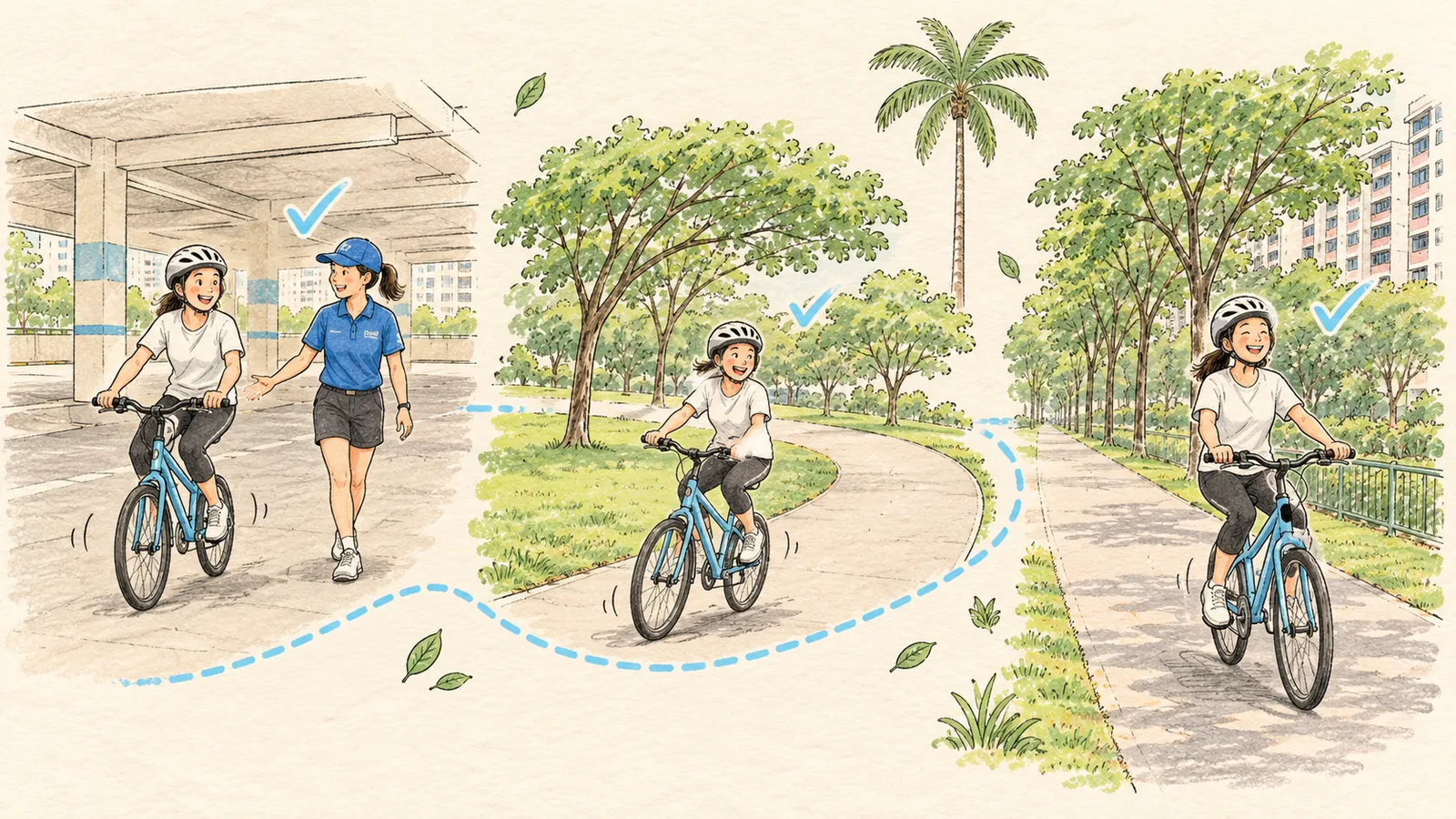
Where you practise matters almost as much as how. The same beginner who wobbles nervously on a bumpy, crowded path can glide happily on a flat, quiet one. A good spot takes away half the difficulty before you've even started.
The good news is that Singapore has plenty of great places to learn, and most of them are close to home. Here's what to look for, the three kinds of places we recommend, and the order to try them in.
What makes a spot beginner-friendly
- Flat. No slopes, not even gentle ones. A slope makes the bike run away from you before you've learned to brake calmly.
- Smooth. Even concrete or tarmac. Bumps, gravel and loose leaves all make the bike harder to steer.
- Wide. Room to wobble without hitting a wall, a kerb or a person.
- Quiet. Fewer people means less pressure and nothing to swerve around.
- Shaded. In Singapore's heat, shade keeps you practising longer and stops sweaty hands gripping too hard.
No spot is perfect on every point. The three below each tick most of the boxes, and together they make a natural progression from your first glide to riding out on the park connector.
1. A sheltered HDB carpark deck
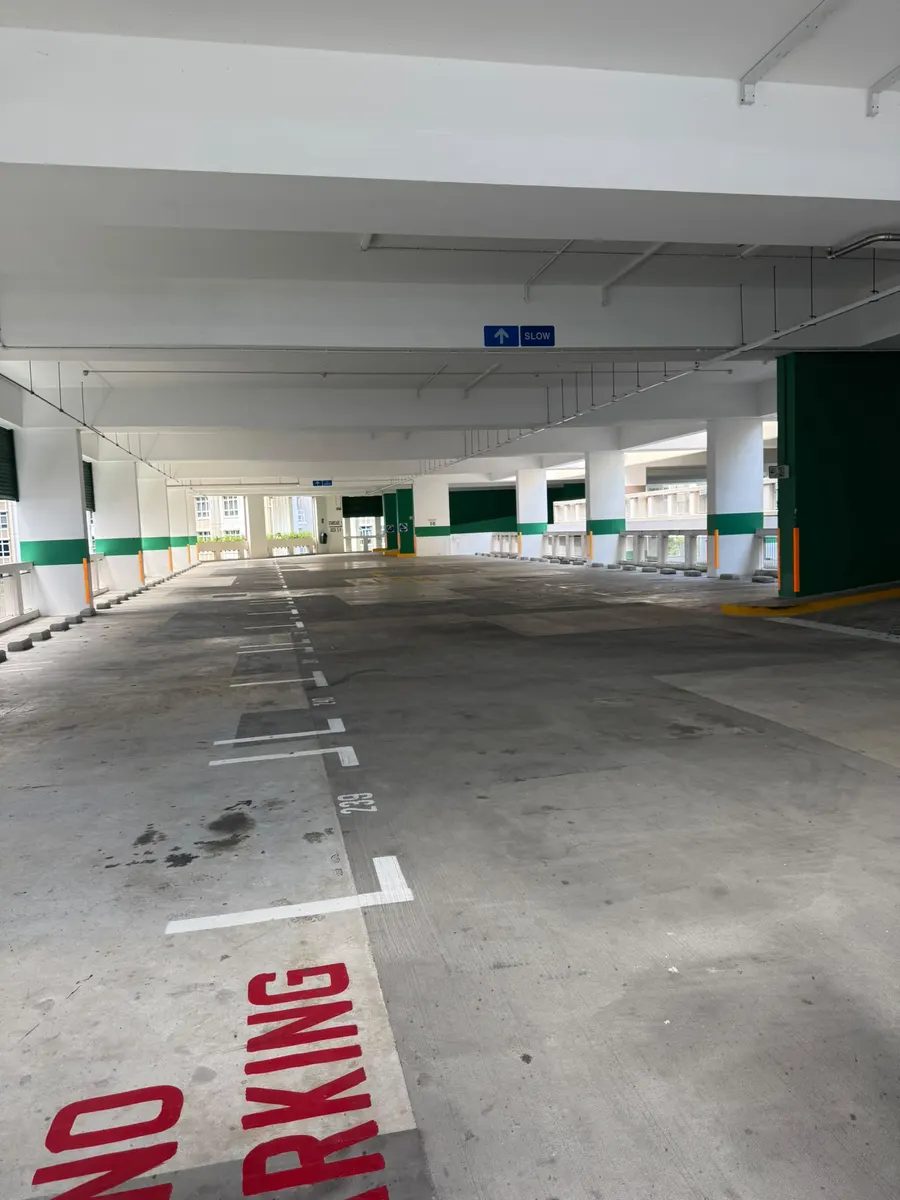
Best for: your very first rides, learning to balance, glide and stop.
This is our favourite place to start, and it's where most of our own lessons happen. A multi-storey carpark deck ticks almost every box: dead flat, smooth concrete, plenty of width, and a roof overhead, so you can practise on hot afternoons and light-rain days. On a quiet weekday the upper decks can be almost empty.
A few things to keep in mind:
- Go at off-peak times. Weekday mornings and early afternoons are usually quietest. Avoid the rush when people drive off to work or come home.
- Stay away from ramps and driving lanes. Practise in an empty corner of the deck, not where cars turn in.
- Keep an eye out for cars. Even a quiet deck isn't car-free. Stop and wait if one comes through.
- Be considerate. Follow any signs at the carpark, and if it gets busy, move on.
2. A wide, quiet park path
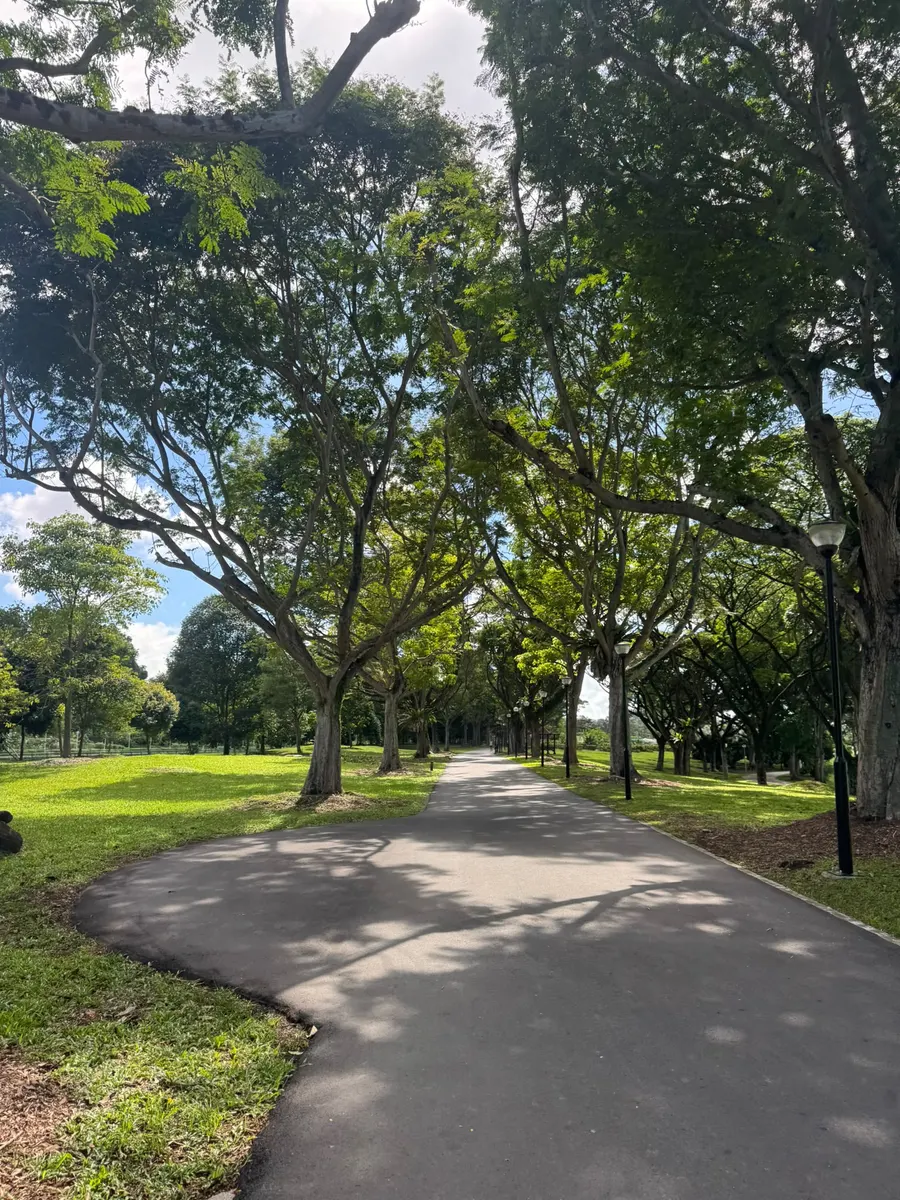
Best for: once you can balance and stop, practising steering, turning and riding for longer.
Many neighbourhood parks have wide, smooth tarmac paths that are perfect for the next step. Look for ones with grass on both sides. It's a soft place to put a foot down, or to land if you tip over, which takes a lot of fear out of riding. Gentle bends let you practise turning without needing to stop, and tree cover keeps it cooler than you'd expect.
- Pick a flat section. Park paths can include small slopes. Stick to the level parts until braking feels natural.
- Share the path. You'll meet walkers, joggers and kids. Slow down, give them space, and stop if you're unsure.
- Go early or late. Mornings and evenings are cooler and quieter than weekend afternoons.
3. A quiet stretch of park connector
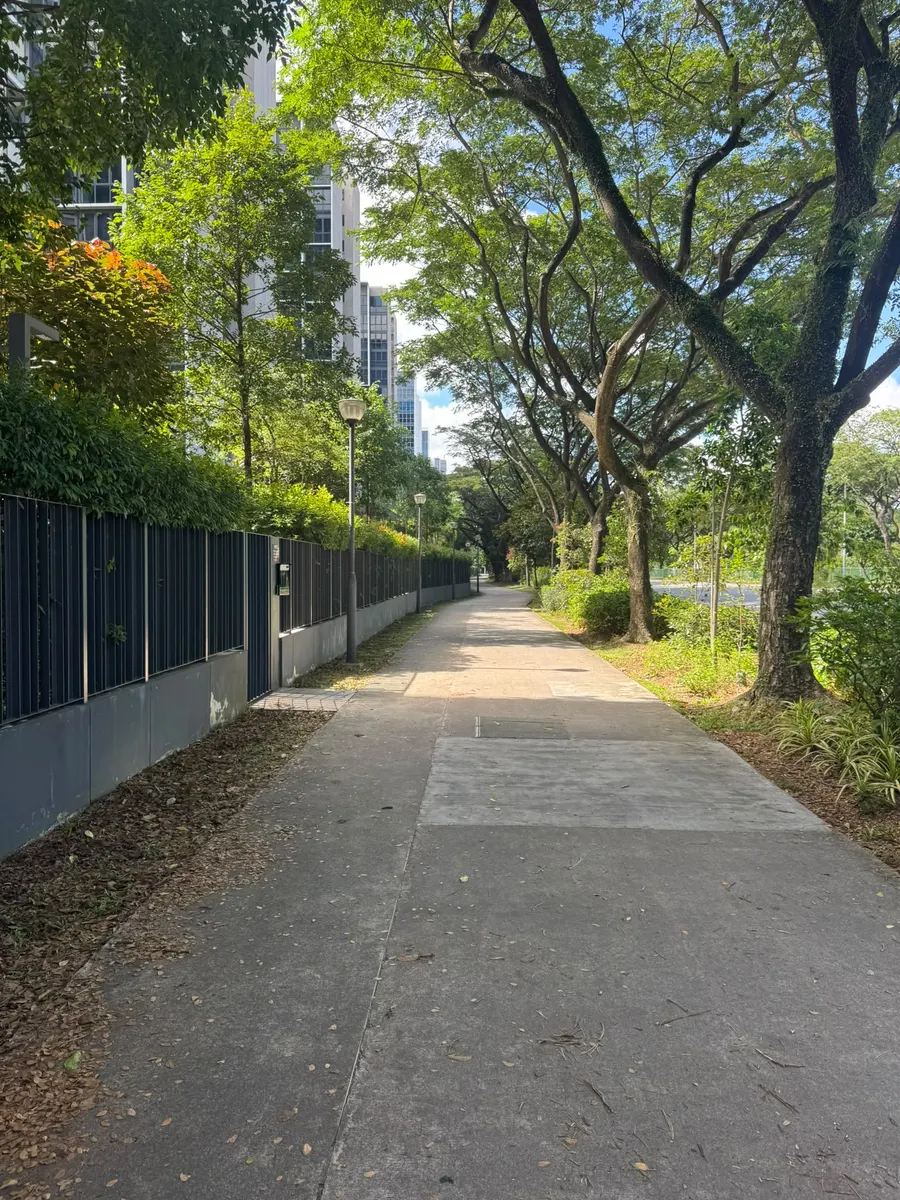
Best for: riding in a straight line for longer, building stamina, and getting used to sharing the path.
Singapore's Park Connector Network runs past many HDB estates and condos, so there's likely a stretch near you. Long, straight, shaded sections like this are ideal for your first "real" rides. You get to pedal for minutes at a time instead of seconds, and that's when cycling starts to feel like fun rather than practice.
- Choose a quiet, straight stretch. Avoid busy junctions, narrow sections and anywhere near road crossings at first.
- Watch the surface. Fallen leaves, drain covers and joins in the concrete can catch you out. Look ahead, not down, and ride over them slowly.
- Keep left and ride slowly. Faster cyclists and PMDs will pass you. Give way to people walking.
Feeling nervous about sharing the path? Our guide to overcoming fear of falling has tips for your first park connector rides.
Start somewhere boring. The emptier and flatter the spot, the faster you'll be ready for the exciting ones.
The order we recommend
Think of these spots as steps, not choices. Move on when the current one starts to feel easy:
- Carpark deck: balance, glide, pedal and stop.
- Park path: steer, turn and ride around other people.
- Park connector: ride longer distances and share the path confidently.
This matches how our lessons usually progress. See how long it takes to learn to cycle as an adult for the lesson-by-lesson timeline.
Places to avoid as a beginner
Some spots look convenient because they're right downstairs, but they make learning harder, or less safe, than it needs to be. They can be fine once you're a confident rider. For your first rides, give these a miss.
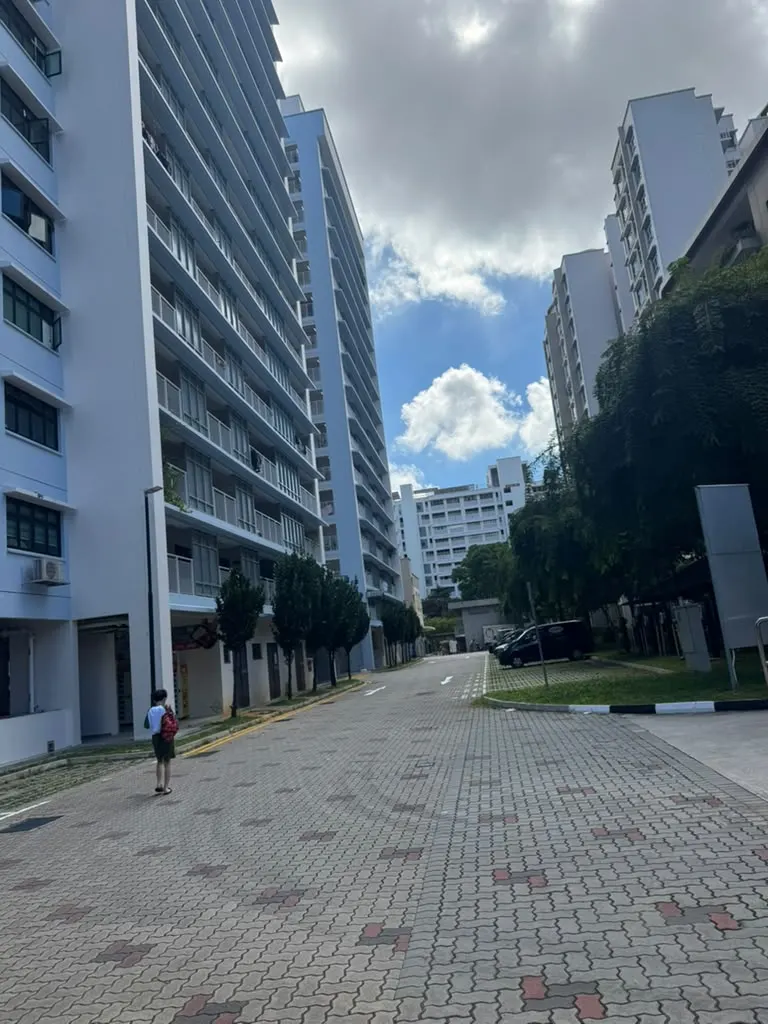
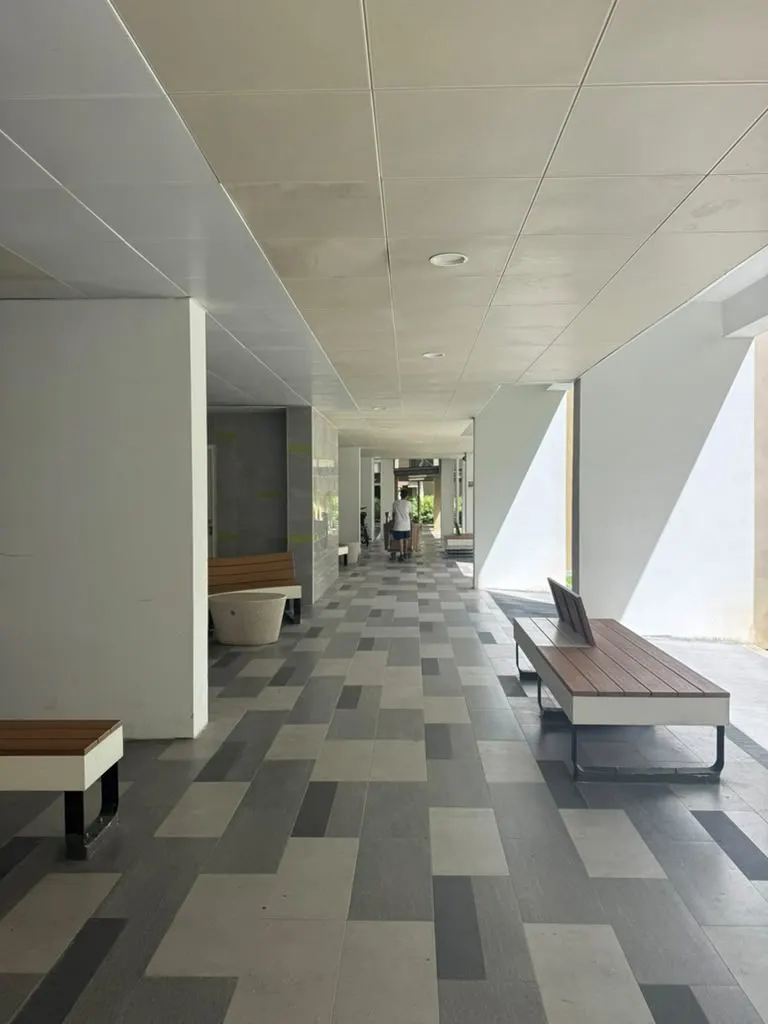
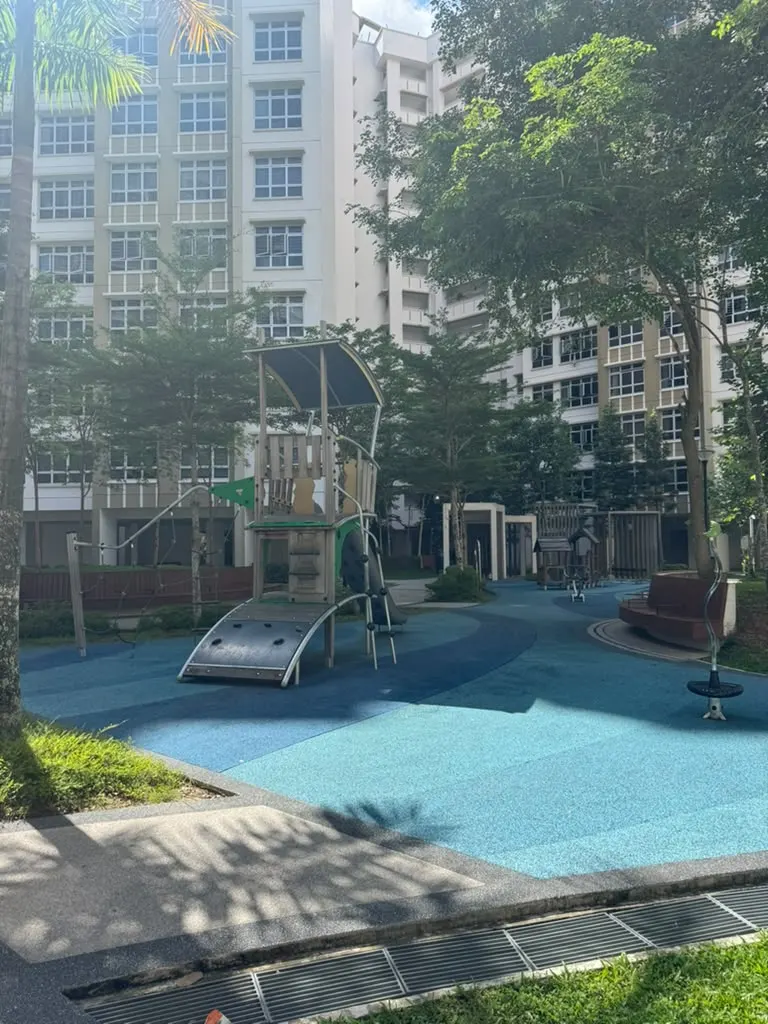
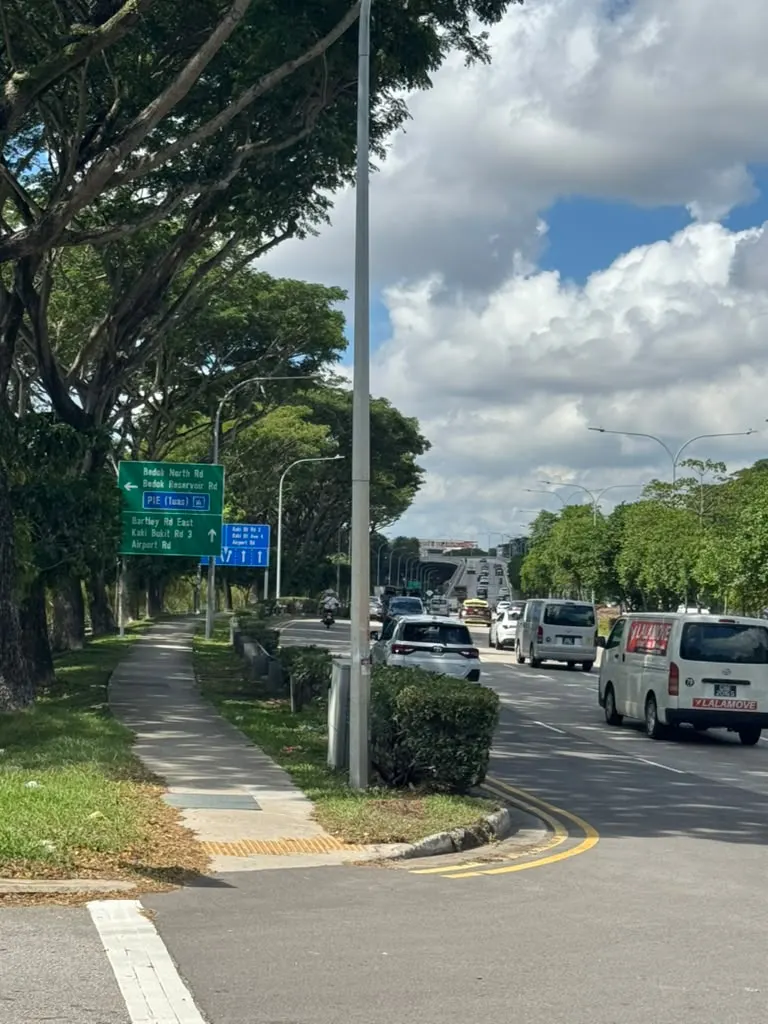
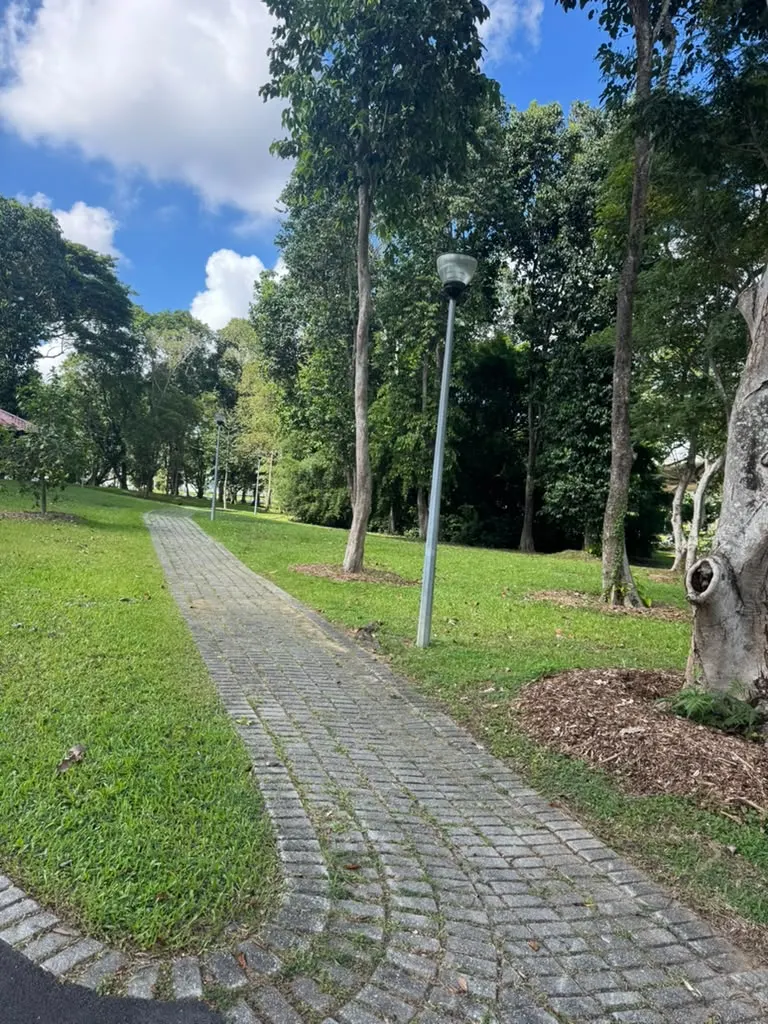
Most of these come down to the same few problems: a bumpy or soft surface, too little space, slopes, and people or cars appearing without warning. If a spot has any of those, look for somewhere flatter, smoother and quieter, even if it means a short walk with your bike.
Common questions
Where is the best place to learn cycling in Singapore?
For your very first rides, a quiet, sheltered HDB carpark deck at an off-peak time is hard to beat. Once you can balance and stop, move on to wide, quiet park paths, and then to quieter stretches of the park connector network.
Can I practise cycling in an HDB carpark?
Many beginners do. Choose a quiet deck at an off-peak time, stay away from ramps and driving lanes, keep an eye out for cars, and follow any signs at the carpark.
Is the park connector good for beginners?
Once you can balance, steer and stop calmly, yes. Pick a wide, quiet stretch at an off-peak time, keep left, ride slowly and give way to people walking.
Where shouldn't beginners practise?
Avoid estate roads and driveways, narrow void decks and covered walkways, playgrounds, footpaths beside main roads, and bumpy brick or cobblestone paths. They're either too bumpy, too narrow or sloped, or too close to people and traffic.
What time of day is best to practise?
Weekday mornings and early evenings are usually quietest and coolest. Avoid the midday heat and busy weekend afternoons.